Period Diaries – by Sterling Jones – February 18, 2026
Why Diverse Representation in Wellness Matters
When I think about period care and the wellness industry, I can't help but notice something: for a long time, Black girls and women were almost invisible in these conversations. The models in ads didn't look like us. The products weren't designed with our bodies in mind. The education didn't address our specific concerns or cultural contexts. The entrepreneurs creating solutions? They rarely looked like us either.
This invisibility matters more than people realize. When you don't see yourself represented in health and wellness spaces, the message is clear: these products and solutions weren't made for you. You're expected to make do with what exists, even when it doesn't quite fit your needs or experiences.
At Scarlet by RedDrop, representation isn't just a buzzword or a marketing strategy. It's fundamental to who we are and why we exist. As a Black-owned, women-founded company created specifically for tween and teen girls, we understand that representation in wellness creates better products, better education, and better outcomes for everyone—not just the communities who have been overlooked for far too long.
The History of Exclusion in Period Care
We need to acknowledge the history of who was excluded from wellness conversations and why to understand why representation matters.
Medical Racism and Women's Health The medical establishment has a long, painful history of treating Black women's bodies as less important, less deserving of care, and less worthy of pain relief than white women's bodies. This legacy continues today in countless ways, from maternal mortality rates to pain management disparities to the dismissal of Black women's health concerns by medical professionals.
Period care exists within this broader context. Medical professionals dismissed Black girls and women more frequently when we reported severe period pain, telling us we were exaggerating or that our pain was normal. The education provided often didn't account for our experiences or cultural backgrounds when we needed information about our changing bodies. Designers and manufacturers created products primarily for white bodies when we looked for period care solutions.
The Beauty and Wellness Industry's Blind Spot For decades, the beauty and wellness industries operated as if Black women and girls either didn't exist or had the exact same needs as everyone else. Formulators created products without considering different hair textures, skin tones, or body compositions. Marketing campaigns featured predominantly white faces. Innovation happened without input from Black communities.
Period care followed the same pattern. The industry assumed that periods were universal experiences requiring universal solutions. This assumption ignored the reality that different communities have different needs, concerns, and relationships with menstruation.
Cultural Silence Around Periods In many Black families and communities, periods have historically been topics wrapped in silence and shame. This silence often stems from multiple sources: religious teachings that treated menstruation as impure, cultural modesty that discouraged open discussion of bodies, and the broader societal message that Black women's and girls' bodies were simultaneously hyper-visible and completely ignored when it came to healthcare needs.
This combination of medical neglect, industry exclusion, and cultural silence created conditions where Black girls grew up with limited information, inadequate products, and deep shame around their periods.
Why Black Founders Matter
Black women creating period care solutions fundamentally changes the products, the education, and the entire approach to supporting girls through their period journeys. This shift goes beyond nice representation.
Lived Experience Shapes Innovation Ms. Roberts, our co-founder, worked as a teacher for 22 years with primarily Black and brown students in her fifth-grade classroom. She noticed that half her students started their periods at school, often unprepared and scared. She didn't just see a problem. She saw her own experiences, her community's experiences, and a gap that needed filling.
That lived experience informed everything about how Scarlet by RedDrop was built. The products we created weren't theoretical solutions to abstract problems. They were direct responses to real needs Ms. Roberts witnessed in her classroom every day.
Dr. Williams, our other co-founder, brought her experience as a physician and a mother to this work. She understood both the medical realities of adolescent development and the emotional complexities of supporting a young girl through puberty. Her perspective ensured that our products functioned effectively, met medical standards, and remained age-appropriate.
When Black women create solutions, they center the needs and experiences of Black girls from the beginning, not as an afterthought. This centering creates better products that work for all girls because addressing the needs of those most often overlooked raises the standard for everyone.
Understanding Cultural Context Black founders understand the cultural contexts that shape how Black families talk about (or don't talk about) periods. We understand the generational trauma around healthcare that makes some Black families hesitant to seek medical attention for period concerns. We understand the specific pressures Black girls face around appearing "put together" without giving anyone reasons to judge them or their families.
This cultural competency allows us to create education and messaging that actually resonates with Black families rather than talking past them or making assumptions about their values and needs. When we get this right for Black families, we create more inclusive, accessible content that serves all families better.
Building Trust Through Representation When Black girls see Black women creating products for them, it sends a powerful message: you matter, your needs matter, and people who look like you are working to support you. This representation builds trust in ways that diverse marketing campaigns can't replicate.
Trust matters immensely in healthcare and wellness. Black communities have very valid reasons to be suspicious of medical and wellness products, given historical exploitation and ongoing dismissal of our health concerns. When the people creating solutions come from our communities, understand our histories, and remain accountable to us, trust becomes possible.
This trust benefits everyone because it creates higher standards for transparency, accountability, and genuine community engagement in wellness spaces.
Addressing Unique Concerns in Black Communities
Black girls face some period-related challenges that are more common or more severe in our communities. Black founders prioritize these concerns rather than overlooking them, which ultimately improves period care knowledge for all communities.
Iron Deficiency and Anemia Black women and girls face higher risk for iron deficiency anemia, which can make period-related fatigue and weakness more severe. Starting with lower baseline iron levels makes period symptoms significantly harder to manage when you're already losing iron through menstruation.
Scarlet by RedDrop's educational content specifically addresses nutrition for period health, emphasizing iron-rich foods and the importance of monitoring energy levels. We don't assume all girls have the same nutritional needs or start from the same baseline health status. This nuanced approach to nutrition education serves all girls better because it acknowledges individual differences rather than applying one-size-fits-all recommendations.
Fibroids and Heavy Bleeding Black women develop uterine fibroids at much higher rates than other racial groups, often at younger ages. While most tweens and teens aren't yet dealing with fibroids, awareness of this risk and knowledge about when period symptoms might indicate something requiring medical attention is crucial.
Our education doesn't shy away from discussing when heavy bleeding crosses the line from normal to concerning. We encourage Black families to advocate for themselves with healthcare providers and to seek second opinions when doctors dismiss their concerns. This advocacy education empowers all families to take their health concerns seriously and push for proper care.
Hair Care During Periods Many Black girls wear protective hairstyles that can't easily get wet. Period-related sweating, especially during activities or hot weather, creates unique challenges when your hair care routine is complex and time-consuming.
Our content acknowledges these realities. We talk about managing period symptoms in ways that account for the fact that not everyone can just hop in the shower multiple times a day or quickly wash and restyle their hair. This practical approach helps all girls with various hair care needs feel seen and supported.
Skin Care and Period Breakouts Period-related acne shows up differently on darker skin tones and can lead to hyperpigmentation that lasts long after the blemish heals. This creates additional stress around period breakouts for Black girls.
When we discuss period skincare, we provide information relevant to darker skin tones and the specific concerns that come with managing acne on melanated skin. This inclusive approach to skincare education serves girls of all skin tones better than advice that assumes everyone's skin responds the same way.
Breaking Stigmas That Disproportionately Affect Black Girls
Certain period-related stigmas hit Black girls especially hard due to intersecting stereotypes and societal pressures. Challenging these stigmas creates more supportive environments for all girls.
The "Strong Black Woman" Myth Black girls often receive messages that they need to be strong, resilient, and capable of handling anything without complaint. This cultural pressure can make it harder for Black girls to admit when periods are difficult, to ask for help, or to prioritize self-care.
Scarlet by RedDrop actively works against this narrative. We emphasize that needing support during your period isn't weakness. Taking care of yourself isn't selfish. Acknowledging when you're struggling demonstrates strength, not failure.
When we normalize asking for help and prioritizing self-care for Black girls, we challenge harmful expectations placed on all girls to suffer silently through period discomfort.
Adultification of Black Girls Society often perceives Black girls as older, more mature, and less innocent than their white peers. This "adultification" means adults dismiss Black girls' pain and discomfort more readily, minimize their needs, and invalidate their childhood experiences.
When we create products and education specifically for tweens and teens, we push back against this adultification. We assert that Black girls deserve age-appropriate care, that their period experiences as young people matter, and that adults shouldn't expect them to handle adult-level challenges without support.
This advocacy for age-appropriate care benefits all young people by setting higher standards for how we support adolescents through puberty.
Respectability Politics and Period Shame Some Black communities carry extra layers of shame around periods due to respectability politics. The pressure to present as dignified and proper to counter racist stereotypes can make period talk even more taboo because menstruation associates with messiness and bodily functions that contradict the "respectable" image.
Our approach directly challenges this by talking about periods openly, honestly, and without apology. We model that Black women and girls can be dignified and respectable while also being honest about their bodies and needs.
This openness creates permission for all families to discuss periods more freely, regardless of their cultural background.
How Representation Improves Products
Black founders don't just change messaging. They change the actual products we create, which ultimately serves all users better.
Understanding Different Body Types Black girls often develop differently than the "average" body type that mainstream products are designed for. We might develop curves earlier, have different proportions, or need different product features to feel comfortable and secure.
Scarlet by RedDrop products are designed with real teen bodies in mind. All types of teen bodies, including Black girls who might not fit the narrow definition of "tween body" that other brands use. This inclusive design philosophy creates products that work better for the full diversity of teen bodies.
Testing With Diverse Users When Black founders create products, we ensure that testing includes Black girls with different skin tones, hair textures, activity levels, and body types. This means our products actually work for the full range of girls we're trying to serve, not just a narrow subset.
Rigorous testing with diverse users catches problems that would otherwise go unnoticed until products reach market. This benefits all consumers by reducing defects and improving overall product quality.
Addressing Real Concerns Features like making sure product packaging is discreet enough for girls who face extra scrutiny matter. Ensuring adhesive works on different underwear fabrics that Black girls commonly wear matters. Creating educational materials that show girls who look like our users matters. These details come from understanding the communities we serve.
When products work well for the most marginalized users, they work excellently for everyone else. This is the principle of universal design: solving for the edges improves the experience for the middle.
The Importance of Black Girl Joy in Period Care
Representation isn't just about addressing problems. It's also about celebrating Black girlhood and making space for joy, even during periods.
Seeing Yourself in Marketing When Black girls see other Black girls in period care marketing looking happy, confident, and comfortable, it changes what they believe is possible. You can be Black, on your period, and still thriving. You can manage your period with confidence. You can refuse to let your period hold you back.
This positive representation benefits all girls by showing diverse images of confidence and capability during menstruation.
Normalization Through Visibility The more Black girls see periods discussed openly in contexts that include them, the more normal and manageable periods feel. Visibility creates normalization, which reduces shame and anxiety.
This normalization benefits all girls because it contributes to broader cultural shifts around period acceptance.
Creating New Narratives Instead of inheriting narratives of period shame and silence from previous generations, Black girls now have new narratives available. Black women who want better for the next generation create these narratives. These narratives center Black girl experiences, needs, and joy.
New narratives expand the possibilities for how all girls can relate to their periods and their bodies.
Building Community Through Shared Experience
Representation creates community. When Black girls see themselves in period care spaces, they recognize they're not alone in their experiences.
Connecting Across Differences While all girls who menstruate share some common experiences, something special happens when Black girls connect with others navigating similar cultural contexts, family dynamics, and societal pressures around periods.
Scarlet by RedDrop creates space for these connections through our education, our social media presence, and our commitment to showing diverse Black girls in all our content.
Strong communities around specific identities ultimately strengthen the broader community by providing models for how to support each other well.
Mentorship and Modeling When Black girls see successful Black women like Ms. Roberts and Dr. Williams building businesses, innovating in healthcare, and talking openly about periods, it models what's possible. It says your voice matters. Your ideas for solving problems in your community are valuable. You can do this too.
These role models benefit all girls by expanding their understanding of who can be an entrepreneur, innovator, or leader.
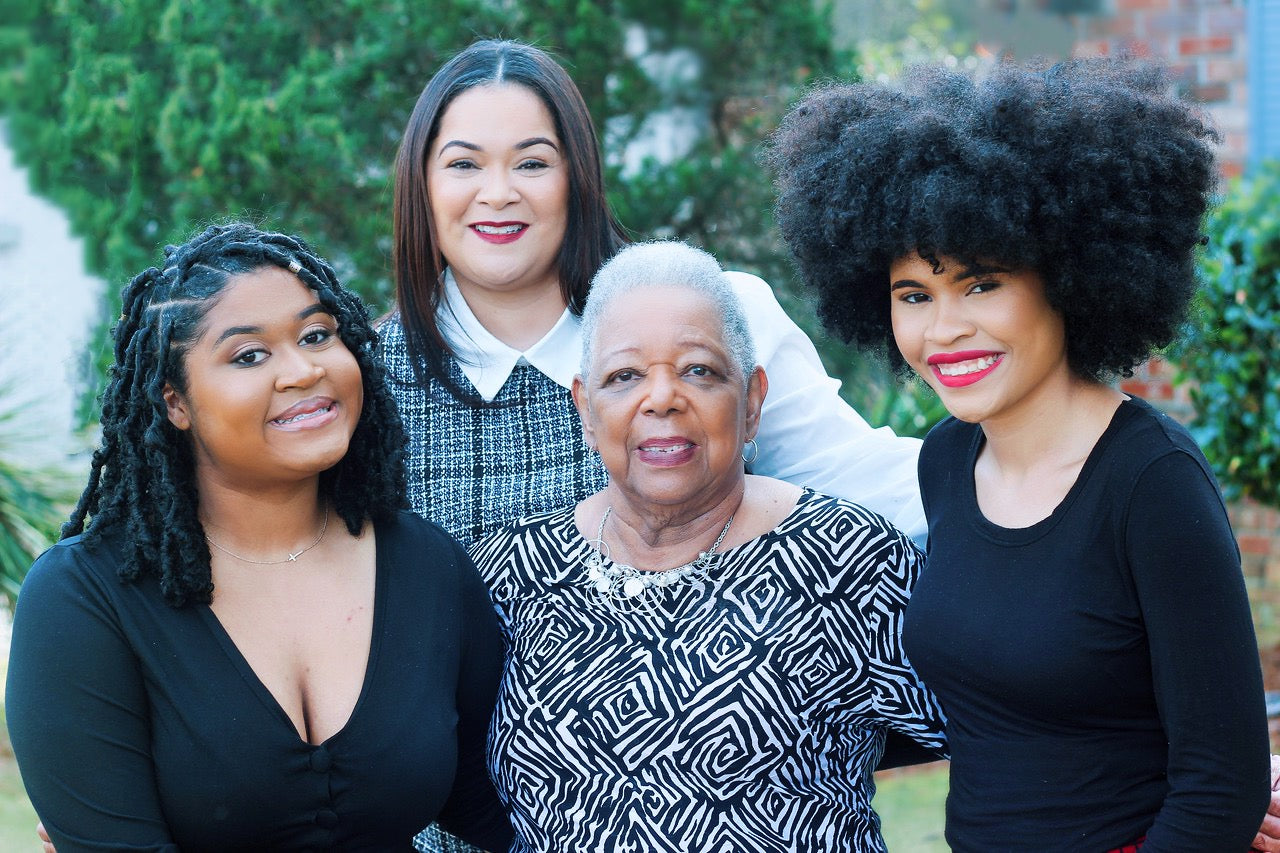
Intergenerational Healing Black founders creating content that speaks to Black families allows for intergenerational healing around period shame. Mothers who grew up with silence can now access resources to have different conversations with their daughters. Grandmothers who never received education can learn alongside their granddaughters.
This intergenerational healing creates healthier family dynamics around bodies and health for all families who engage with these resources.
What Representation Makes Possible
When Black girls receive centered attention in period care, everything changes for everyone.
Better Health Outcomes Girls who receive culturally relevant period education are more likely to understand their bodies, recognize when something is wrong, and advocate for themselves with healthcare providers. This leads to better health outcomes over their lifetimes.
Improved health literacy benefits entire communities and raises standards for what quality health education looks like.
Reduced Shame and Anxiety Seeing yourself represented reduces the isolation and shame that make period experiences harder. When you know others who look like you are navigating the same challenges, periods feel less overwhelming.
Reduced shame around periods benefits all menstruators by contributing to broader cultural acceptance of menstruation as normal and healthy.
Earlier Intervention for Problems When period education addresses concerns more common in Black communities, girls and their families are more likely to recognize warning signs early and seek appropriate care before problems become severe.
This preventive approach to health education benefits all families by emphasizing the importance of paying attention to symptoms and seeking care proactively.
Economic Empowerment Black-owned businesses like Scarlet by RedDrop create economic opportunities within our communities. When you support Black-owned period care, you're investing in Black entrepreneurship and economic empowerment.
Economic diversity in any industry strengthens that industry and creates more innovation opportunities for everyone.
Changing Industry Standards The more successful Black-owned wellness companies become, the more the entire industry has to acknowledge that diverse perspectives create better products for everyone. Our success pushes larger companies to do better, which benefits all consumers.
Competition from diverse founders raises the bar for the entire industry.
The Ripple Effect
Representation in period care matters beyond just this one industry or this one moment. The effects spread outward.
Inspiring Future Entrepreneurs When Black girls see women like Ms. Roberts and Dr. Williams building successful businesses solving real problems, some of them will be inspired to become entrepreneurs themselves. They'll see that their observations about unmet needs in their communities are valuable and could become businesses.
More diverse entrepreneurs create more innovation, which benefits all consumers through better products and services.
Normalizing Black Women in Wellness Every Black-owned wellness brand that succeeds makes space for more. We're normalizing the idea that Black women belong in wellness leadership roles, that our innovations matter, and that our perspectives improve products for everyone.
Diverse leadership improves decision-making and innovation in every industry.
Challenging Medical Establishments When Black-owned health companies succeed, they put pressure on traditional medical establishments to take Black women's and girls' health concerns more seriously. We create accountability that didn't exist before.
Increased accountability in healthcare benefits all patients by raising standards for how medical professionals respond to concerns.
Why It Matters That We're Still Here
Scarlet by RedDrop isn't just surviving. We're thriving. We've won major grants like Black Ambition's $1 million prize. We're in Ulta Beauty stores nationwide. We're partnering with schools across the country. We're growing and making real impact.
This success matters because it proves that Black-owned wellness companies can compete and win. We don't need to compromise our values or our focus on our community to succeed. We can center Black girls and still build a sustainable, growing business.
Our continued success sends a message to investors, retailers, and the industry: betting on Black-owned companies is smart business. Supporting diverse founders creates better products. Centering marginalized communities in innovation benefits everyone.
Moving Forward Together
Representation in wellness matters, yet it's not the only thing that matters. We also need concrete action.
Continued Support for Black-Owned Businesses Choose Black-owned wellness brands when you can. Recommend them to others. Help amplify their messages and their success. Economic support translates directly into the ability of these companies to continue serving their communities.
Supporting diverse businesses strengthens the entire economy and creates more innovation.
Advocacy for Health Equity Support policies and programs that improve healthcare access for Black communities. Advocate for better period care education in schools. Push for research that includes diverse populations.
Health equity benefits all communities by ensuring that healthcare systems work well for everyone, not just the most privileged.
Challenging Bias in Healthcare When Black girls and women report period concerns that doctors dismiss, advocate for them. Encourage second opinions. Validate their experiences. Push back against medical racism wherever you encounter it.
Challenging bias improves healthcare for all patients by holding providers accountable to higher standards of care.
Intergenerational Conversations Keep talking about periods across generations. Share resources like Scarlet by RedDrop with younger family members. Break the silence that previous generations maintained. Create new, healthier narratives.
Open communication about health creates healthier family dynamics for all families.
Final Thoughts
Representation in wellness matters because Black girls matter. Our needs, our experiences, our health, and our joy all matter. Black founders creating period care solutions means Black girls finally have products and education designed specifically for them, by people who understand their lives and remain accountable to their communities. This elevated standard of care benefits all girls.
At Scarlet by RedDrop, we're proud to be part of changing what period care looks like and who it serves. We're committed to continuing to center Black girls in everything we create while also building a company that serves all tween and teen girls who need better options than what existed before. When we solve for those most often overlooked, we create better solutions for everyone.
Every time a Black girl uses a Scarlet product, receives education that speaks to her experience, or sees herself represented in our marketing, we're fulfilling the vision Ms. Roberts and Dr. Williams started with: making sure girls feel supported, prepared, and confident during their period journeys.
Representation isn't just about seeing yourself. It's about being seen. It's about your needs receiving priority attention. It's about knowing that people who understand your life are working to make it better. It's about creating excellence that serves everyone by refusing to accept products and education that only work for some people.
That's what Scarlet by RedDrop represents. That's why representation in wellness matters so deeply for everyone.