
Real Talk. Real Tips.

Welcome to The Period Diaries — your go-to spot for stories, guidance, and good-to know stuff for every stage of the period journey. Whether she's just getting started, figuring it out, or totally in the flow, we’ve got tips, answers, and encouragement that actually make sense. Parents, you’re invited too!

View

A Teenager's Guide To Starting Their First Period

by Monica Williams – March 08, 2023

A Teenager's Guide To Starting Their First Period

Starting their first period is a big milestone in every teenage girl's life. It can also be a confusing and overwhelming experience, especially if the period starts when your tween is relatively young. But with a little bit of knowledge and preparation, you and your daughter can navigate this new chapter with confidence. Here are some tips to help your tween get started:   1. Understand what's happening Your period is a natural and normal part of growing up. It's a sign that your body is maturing and preparing for the possibility of pregnancy. Your period is caused by changes in hormones that trigger the release of an egg from your ovaries. If the egg is not fertilized, it leaves your body along with the lining of your uterus, which causes bleeding.   2. Know what to expect Your period can last anywhere from three to seven days, and you'll likely experience some physical symptoms, such as cramps and bloating. You may also experience emotional changes, such as mood swings and irritability. It's important to be prepared by having the necessary supplies, such as pads or tampons, and to talk to your doctor if you experience severe pain or heavy bleeding.   3. Be prepared Before you start your period, make sure you have everything you need. You may want to keep pads or tampons in your backpack or purse, so you're always prepared. It's also a good idea to keep a calendar or an app to track your cycle, so you know when to expect your next period.   4. Talk to someone Starting your period can be a confusing and emotional experience, but you don't have to go through it alone. Talk to your mom, a trusted friend, or your doctor about any questions or concerns you may have. They can help you navigate this new chapter in your life and provide support and guidance.   5. Be kind to yourself Your period is a natural and normal part of growing up, but it can also be a challenging experience. It's important to be kind to yourself and practice self-care during this time. Treat yourself to a relaxing bath or your favorite snack. Take some time to rest and relax when you need it.   Remember, every girl is different, and there's no right or wrong way to experience your first period. Don't be afraid to ask questions or reach out for support if you need it. With a little bit of knowledge and preparation, you can navigate this new chapter in your life with confidence and ease.

Read more

6 Tips for Reducing Period Cramps: A Guide for Moms and Daughters

by Monica Williams – January 24, 2023

6 Tips for Reducing Period Cramps: A Guide for Moms and Daughters

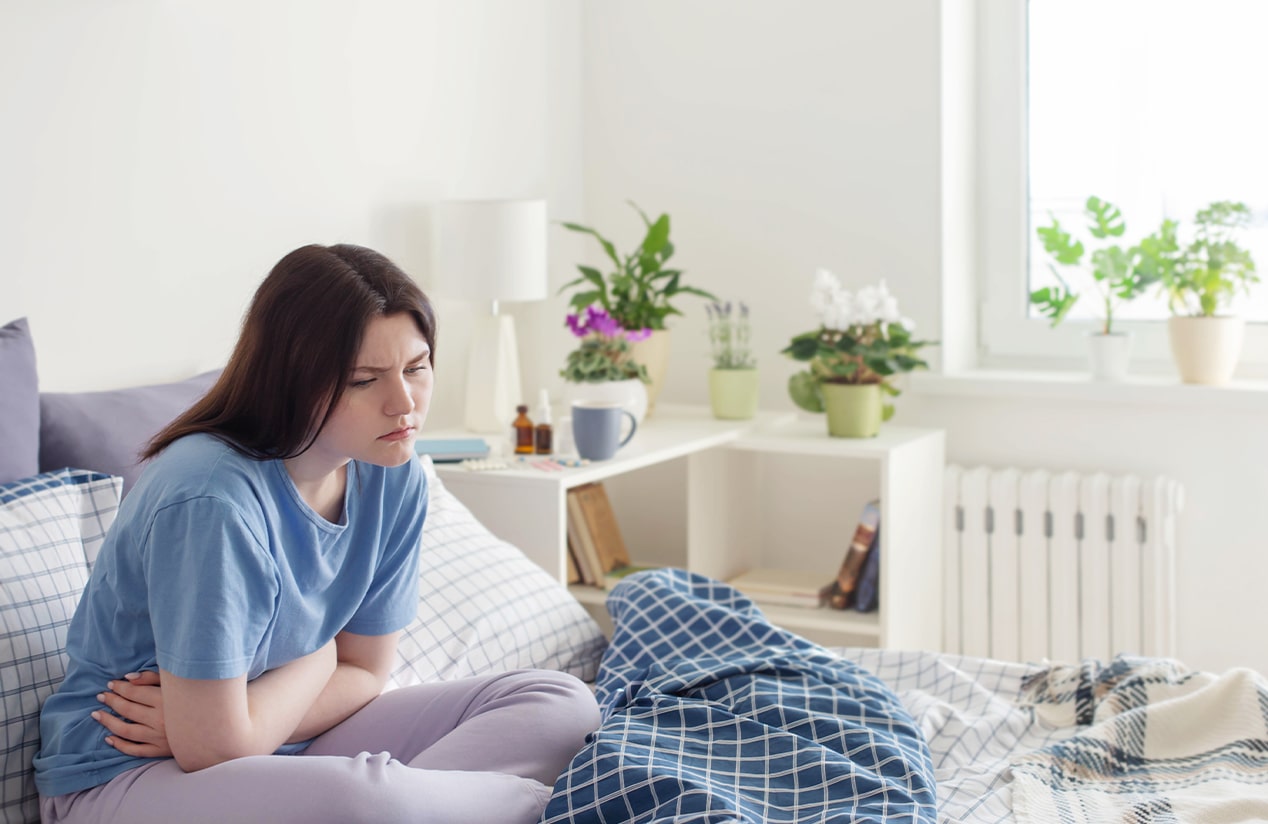
Period cramps can be a major source of discomfort and inconvenience for teenage girls, but there are ways to alleviate the pain without using pain relievers. As a mom, you can play an important role in helping your daughter manage her menstrual symptoms. Here are five tips for reducing period cramps naturally:   1. Use heat therapy Applying heat to the lower abdominal area can help to relax the muscles and reduce cramps. A heating pad, hot water bottle, or even a warm shower or bath can be effective in relieving cramps. 2. Exercise regularly Regular exercise can help reduce cramps and relieve stress. Encourage your daughter to engage in regular physical activity such as walking, running or swimming, as long as she feels comfortable doing it during her period.   3. Eat a balanced diet Eating a diet that is rich in fruits, vegetables, and whole grains can help reduce inflammation and improve overall health. Avoid processed foods, salt, and sugar as they can cause bloating and worsen cramps. 4. Try yoga and relaxation techniques Yoga, meditation and relaxation techniques can help reduce stress and tension, which can worsen cramps. Encourage your daughter to try different techniques such as deep breathing, progressive muscle relaxation, or guided imagery.   5. Consider using a menstrual cup Menstrual cups are an eco-friendly alternative to pads and tampons, can be worn for long hours, and can help to reduce cramps. They can be an effective option for reducing cramps caused by the use of sanitary products. It's important to note that some girls may have more severe cramps that require additional medical attention, in those cases it's good to seek guidance from their healthcare provider. Additionally, it's important to remember that everyone's body is different and what works for one person may not work for another, so encourage your daughter to experiment with different strategies and find the ones that work best for her. By providing support and offering helpful tips, you can help your daughter manage her period cramps and make her menstrual experience more comfortable without relying on pain relievers.

Read more

Preparing for Your Daughter's First Period: What to Expect and How to Get Ready

by Monica Williams – January 24, 2023

Preparing for Your Daughter's First Period: What to Expect and How to Get Ready

As a mother, it can be both exciting and overwhelming to think about your daughter's first period. As a mom you are probably wondering when it will happen, what it will be like and how to prepare for it. First, it's important to understand that the age at which a girl gets her first period can vary widely. Some girls may start as early as age 8, while others may not start until they are 16. But most girls will start between the ages of 11 and 14. When your daughter's first period does arrive, it's important to be prepared. This means having supplies on hand, such as pads or tampons, and knowing how to use them. It's also important to talk to your daughter about what to expect during her period, including menstrual cramps, bloating, and mood swings. Be open to listening and addressing any concerns she might have, and don't hesitate to seek advice from your daughter's healthcare provider if you need more information. You can also help your daughter prepare by teaching her about the menstrual cycle, the anatomy and the hormones involved, and how to track it. This way she'll be better equipped to understand what's happening in her body and how to manage her symptoms. It's also a good idea to have a plan in place for when your daughter starts her period at school or away from home. Encourage her to keep a stash of supplies in her backpack or purse, so she's always prepared. Remember that your daughter's first period can be a big transition, so don't be afraid to talk openly with her about it. Emphasize that it's a normal and natural part of growing up, and that there's nothing to be ashamed of. This will help her feel more comfortable and confident during this new phase of her life. Overall, preparing for your daughter's first period can be an exciting and empowering experience for both of you. By being informed, having supplies on hand, and being open to discussion, you can help your daughter navigate this new stage in her life with confidence.

Read more

Navigating the Emotions of Your First Period: How to Cope with the Changes

by Monica Williams – January 24, 2023

Navigating the Emotions of Your First Period: How to Cope with the Changes

For many girls, getting their first period can be an exciting yet overwhelming experience. Along with the physical changes that come with menstruation, girls may also experience a range of emotions such as nervousness, uncertainty, and even fear. As a mom, it's important to understand these emotions and be there to support your daughter as she navigates this new stage in her life. Here are some tips for coping with the emotional changes of a first period:   1. Talk openly and honestly with your daughter Encourage your daughter to talk openly with you about her feelings and any concerns she may have. Listen actively, offer reassurance and validation of her feelings. It can be helpful to share your own experiences with menstruation to help her understand that these emotions are normal and to help build a sense of trust and understanding. 2. Address any fears or misconceptions Some girls may have fears or misconceptions about menstruation. It's important to address these fears head-on and provide accurate information to help ease her mind. For example, explain that periods are a normal and natural part of growing up and that there is nothing to be ashamed of.   3. Create a plan Having a plan in place can help ease any anxiety your daughter may have about her first period. This could include having supplies on hand, discussing what to do if her period starts unexpectedly, and having a backup plan in place for times when she's away from home. 4. Practice self-care Encourage your daughter to take care of herself during her period by getting enough rest, staying hydrated, and exercising. This can help her manage symptoms such as cramps and mood swings and promote a sense of control over her body.   5. Remind her that this is normal Remind her that every girl goes through this and that is nothing to be ashamed of. Help her understand that it's a normal part of growing up and that she's not alone in this experience. Remember that everyone's experience with menstruation is different, and what works for one girl may not work for another. The most important thing is to be there to support your daughter and offer a listening ear as she navigates this new stage in her life. By fostering open communication and providing accurate information, you can help your daughter cope with the emotional changes of her first period.

Read more

Period 101: A 5 Step Beginner's Guide to Menstruation for Moms

by Monica Williams – January 24, 2023

Period 101: A 5 Step Beginner's Guide to Menstruation for Moms

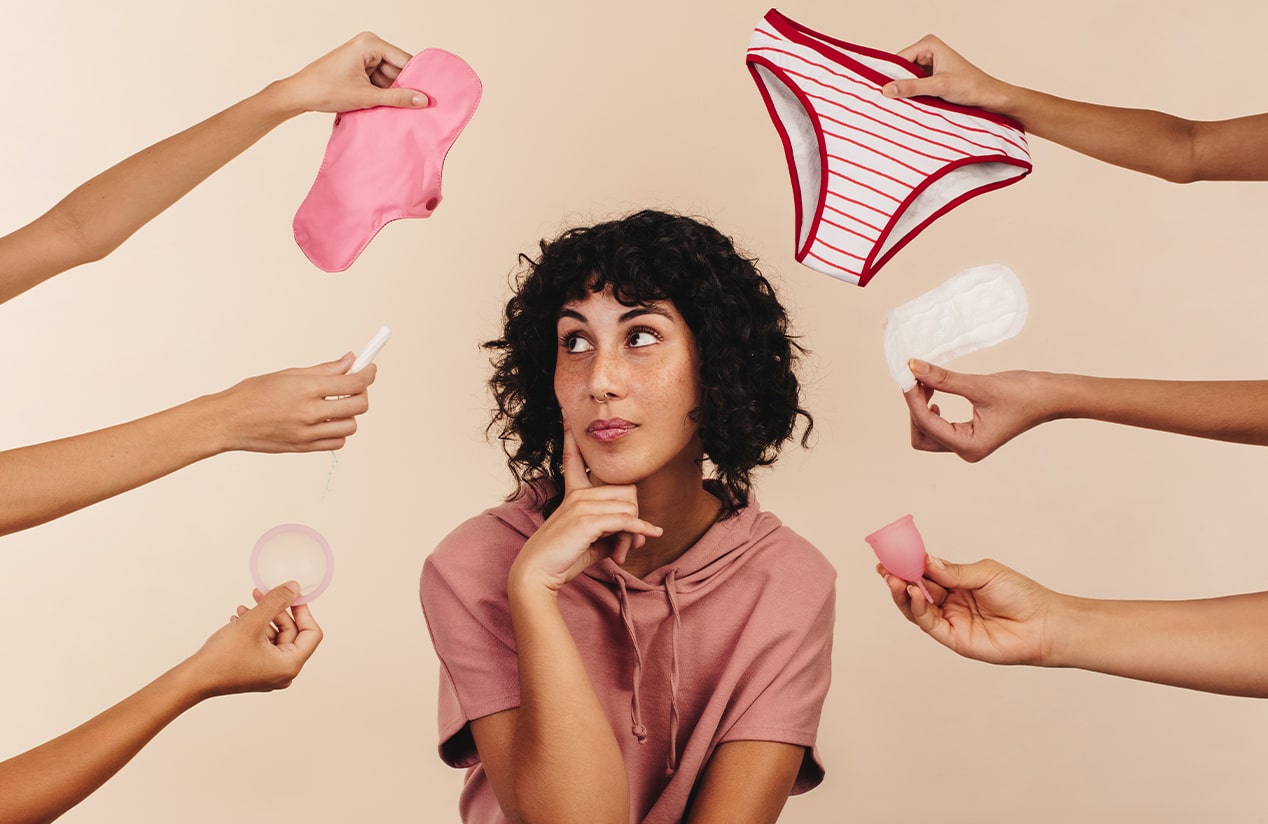
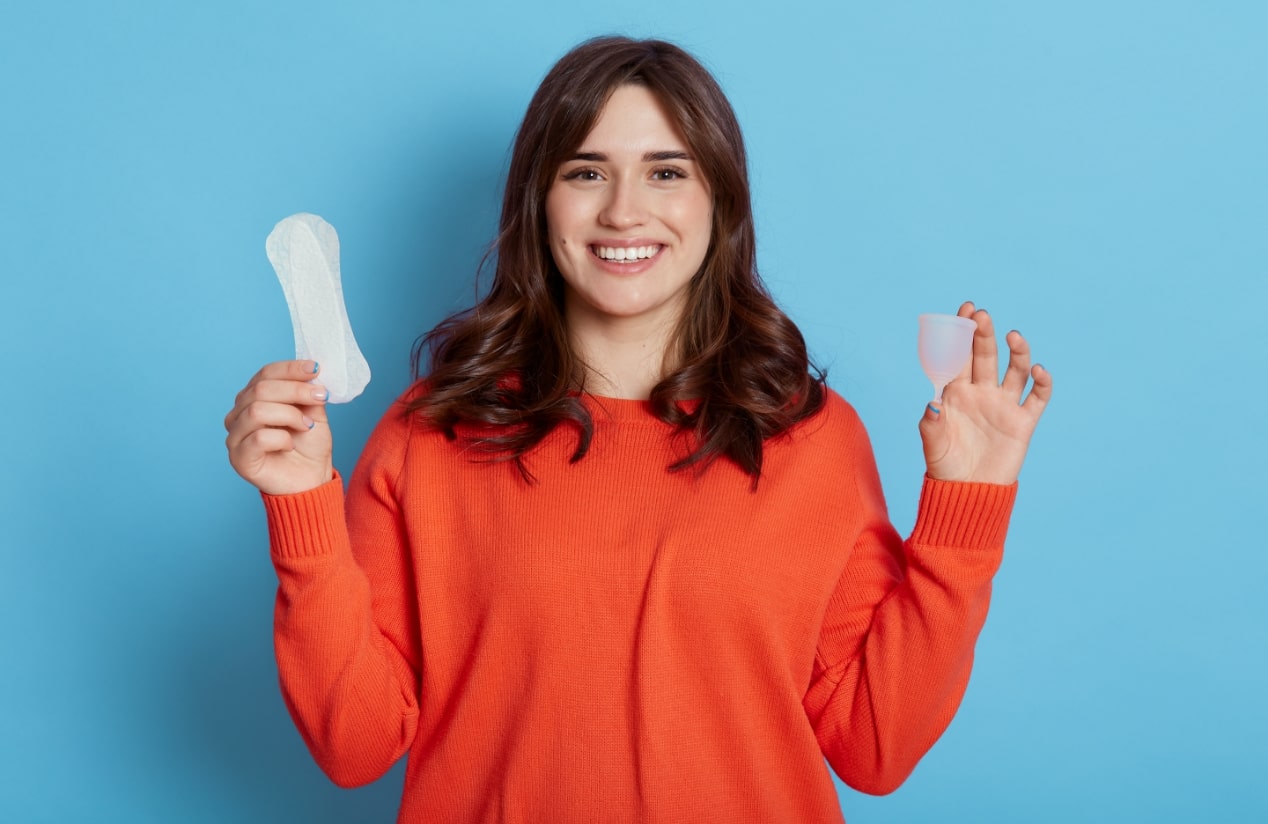
As a mom, you may be feeling a mix of excitement and uncertainty as your daughter approaches her first period. Understanding the basics of menstruation can help ease any anxiety and ensure that you're both prepared for this new stage in her life. Here is a 5 step beginner's guide to menstruation to help get you started:   1. Explain to her what the menstrual cycle is The menstrual cycle is the process by which a woman's body prepares for pregnancy. It is controlled by hormones and takes about 28 days on average. During the menstrual cycle, the lining of the uterus is shed, resulting in a period. Understanding the menstrual cycle can help you and your daughter anticipate when her period might start, how long it will last, and what symptoms she might experience. 2. Educate her about different menstrual products There are several options for menstrual products, including pads, tampons, and menstrual cups. Each product has its own pros and cons, so it's important to discuss with your daughter which one she might feel most comfortable using. You can also help her understand how to use these products properly and safely.   3. Make a plan for when the period starts It's a good idea to have a plan in place for when your daughter's period starts. Encourage her to always carry menstrual supplies with her, in case her period starts unexpectedly, and have a backup plan in place for times when she's away from home. 4. Talk about the emotional side Your daughter's first period may come with a range of emotions, from excitement to nervousness. Be open to talking about these feelings with your daughter and help her understand that it's normal to feel this way.   5. Consider natural remedies Some girls find relief from menstrual symptoms with natural remedies such as heat pads, herbal tea and regular exercise. Be open to trying these options and discuss with your daughter which one might work best for her. Remember that everyone's body is different and what works for some may not work for others, so it's important to listen to your daughter's feedback.

Read more

5 Foods Tweens Should Avoid While On Their Period

by Monica Williams – January 24, 2023

5 Foods Tweens Should Avoid While On Their Period

As a teenager, your period can come with a variety of new experiences, including cramps, bloating, and mood swings. While there's no one-size-fits-all diet for managing these symptoms, there are certain foods that can make them worse. Here are six foods to avoid during your period to help make it a little more bearable:   1. Processed Snacks Processed snacks like chips, cookies, and candy are often high in sodium and sugar, which can make bloating and cramps worse. Instead, try snacking on fruits and vegetables or opt for whole-grain crackers or popcorn. 2. Energy Drinks Energy drinks are high in caffeine, which can disrupt your hormones and make menstrual symptoms worse. Stick to water or herbal tea to stay hydrated and avoid added caffeine.   3. Salt Sodium can cause your body to retain water and make bloating and swelling worse. Try to limit your intake of salty foods such as fast food, frozen dinners, and canned soups during your period. 4. Fried Foods Fried foods can be heavy and difficult to digest, which can be uncomfortable during your period. Opt for grilled or baked foods instead, they are much easier on your stomach.   5. Dairy Products Dairy products like milk, cheese, and ice cream can increase inflammation in the body and worsen cramps. If you're prone to bloating and cramps, try cutting back on your intake of dairy during your period. It's important to remember that everyone's body is different, and you should listen to your own body to see what foods work best for you. Additionally, don't forget to stay active, get enough sleep and hydrate regularly to help reduce the discomfort caused by your period.

Read more

Welcome to RedDrop!

by Dana Roberts – February 11, 2019

Welcome to RedDrop!

  You have probably been researching first-periods, what made us write these blogs is that we found a lot of information, but not many places to get all of the information you may need in one place. It is mind boggling to us why girls are still left to “figure things out themselves.” We think that’s not fair. We are here to help. We have talked to men who are single dads when their daughter started their period, brothers whose parents were incapacitated either by drugs or illness when their little sister started their period, and moms who were completely unprepared when their third-grader “suddenly” started menstruating. We are here for you. While there has been considerable innovation in period products: reusable pads, menstrual cups, organic pads and tampons, menstrual disks, etc. There still isn’t a way for dads, brothers, and other male caregivers to be a part of the story with an appropriate vocabulary and understanding of what, when, why and how. As well, there isn’t really a place for moms to come to help start the conversation, especially if their mom didn’t have it with them, and to know about the newest products for their young daughters. The conversation needs to happen sooner (the age for first periods in America continues to get younger and younger) and what is the appropriate puberty language for a 3rd grader! And finally for girls. It’s still most comfortable to learn from your friends and same-age cousins, but how do you know that the information they’re sharing is correct? We want to help fact-check in an age appropriate and conscientious way. This is why Red Drop was created: menstrual products created with the first-period experience in mind and in the spirit of girls. We want the first period to be the best period. Our team draws on the expertise of women who have very light periods and women who have periods and cramps so bad that they were homeschooled. On physicians and writers and marketers and teachers. Our hope is to both provide you with the products to serve girls and the information to serve them and their support systems to make the most comfortable first-periods and subsequent periods. We believe that if we can change this experience we can change the world. happy reading! Monica (first period 17) Kaivan Dana (first period ) Mike Darren Jarrod

Read more

What You Need to Know About a Girls’ First Period

by Dana Roberts – February 08, 2019

What You Need to Know About a Girls’ First Period

As a mom and an educator, I’ve experienced many “firsts” with girls as they start their very first period. It’s something that is guaranteed (unless there is an underlying medical condition) to happen and the signs are almost always right in front of us. Our mission at RedDrop is to help you see the signs and empower your girl for her first. I’ve personally seen too many girls in tears and too many moms embarrassed, ashamed and down right in denial about this natural next step in their girl’s life. Together, for the sake of all girls, we are going to educate and empower ourselves so that our girls can, in turn, educate their daughters – empowering generations to come. I can honestly say that the first period signs are ever present, but we sometimes are just dismissive and don’t see them. While this article won’t address every visual, physical or emotional cue, my hope is that this article will do a couple of things; empower you to be present, which means to be mindful, observant and engaged in this phase of your daughter’s life. Secondly, this article will arm and empower you with a trusted resource of information as well as encourages you to read and research on your own. It’s not an easy topic, it’s incredibly personal, but it shouldn’t NOT be discussed. Together, let’s level up and look at some key points of what you need to know about a girl starting her first period and because I’m an educator  and I know you’re a newbie at this, we are going to approach this sensitive topic with the good ol’ “5 W’s” approach. Who? (well this one is pretty easy) Anyone that has a period is going to experience a first one. Let’s make the first one non-traumatic and empowering. Why? Let’s just briefly discuss the “why” in this. A period (menstrual cycle) is when the lining of the uterus (some say the womb) is released. When a girl starts her first period sometimes, it could be very light pink – to very dark red, and this depends on the amount of uterine lining (i.e., flow) released from the uterus. The flow is what comes through the vagina. The amount of flow depends on one’s body (the release of the lining) and once the menstrual/period becomes regulated you will see a consistent pattern. It might seem like a simplistic way of explaining; however, I think we truly underestimate the number of adults that don’t know where the menstrual cycle originates and how “it” happens. What? The “What” portion of our first-period topic is multi-layered. What are the symptoms? What will it feel like? Usually, these questions, initiate other questions and that’s why we are here – a learning community for everyone to understand periods. For now, let’s talk about the symptoms of the first period. Signs that a first period is on the horizon are but are not limited to: growing of underarm hair and pubic hair, nausea, a lower backache, headaches, breast tenderness and cramping in the stomach area. You could also notice a discharge from the vagina. Next, what does it feel like? While it doesn’t have one unique feel, the symptoms above are the start. The stomach cramping, nausea, and breast tenderness seem to be consistent in how it feels as the first period approaches. I’ve had some girls say they had no real feeling, that it was completely a surprise and only felt the wetness in their panties that clued them to go to the restroom. While it might seem that this is the best scenario – no cramps, no nausea, etc. when we get to the point of noticing the symptoms of a first period (any of them) wearing a day time panty liner is a great way to empower a girl to feel prepared. WHAT we know is that a first period is coming and there are some signs to look for, our job in the “WHAT” is to recognize them and move forward with a plan of preparation. When? While we can’t pinpoint the exact day and time of a first period (life would be so much easier), we do have an age range and physical change cues that should encourage us to start preparation. In my personal experience, I’ve had girls start their first periods with me as early as 8 to 9 years old. Most research has a girl starting their periods around the ages of 11-13. There is no textbook answer on this, for instance – I know girls who didn’t start until after their 16th birthday. Our bodies are individual beings that operate on its own. Several factors influence the start of the menstrual cycle. Body weight, eating habits, genetics, family medical history, etc. all play a role in the first-period maturation. I’m comfortable with personal experience and research that we should be looking for symptoms starting around age 9-13. Where? Where is one of the very reasons why RedDrop exists. Throughout my many years in education I realized that the “where” in starting the first period could very well be with me, a teacher – at school, on the bus, on a field trip, during an athletic game or meet and many other endless possibilities – and that’s just in the school environment alone. That’s why it’s so important that when we see the signs – we initiate the conversation, be open and honest about it and finally move intentionally in our preparation. Together with preparation, the WHERE should not give us anxiety. How? (this is a big one) How we prepare for the first period can impact your daughter’s self-esteem, and how they see themselves, this is why the discussion and preparation aspects are so important. How can we ensure that girls have an empowering experience when they start their first period? Simply, preparation. I’ve seen it successfully happen. When girls know their bodies and have an idea of what to expect, they are first – informed. No need to learn misinformation from their friends they have clear and concise expectations of what is going to happen to their bodies, what to look for and what to use. Preparation for a girls first period looks like the Code Red Pack that provides all the essentials for what a girl needs to start her period. The expectation that mom, dad, or a caretaker then starts a conversation about HOW to use a pad (or whatever method you choose) should happen. How do you correctly put on a pad? How many times do I change a pad? Are the feminine wipes safe to use in my vaginal area? The list of questions is endless. The only effective way to combat a negative experience is to first start with a positive one, and that begins with you, with us and then it ends in girls having their first period prepared, confident and informed. There is so much more we can talk about as it relates to a girl starting her first period. What I do know as an educator who has ushered many girls into their first-period experience is that being emotionally and physically prepared makes a difference when their first period comes. I’ve had girls know absolutely nothing about their bodies and girls who needed no assistance from me start their first period with me, only you – the adult in their life will be able to enable that positive experience. Simply put, the most important thing you “need to know about a girls first period” is this, “Empowered women, empower women.” – Lindsey Leifken. I want to add that empowering dads, teachers, caretakers, and coaches. – EMPOWER! Why wouldn’t we want our girls to feel empowered during this journey? Is it because it’s uncomfortable to talk about? Our girls should matter more than our discomfort.  The shame and embarrassment about a little girl’s journey must stop with us today.

Read more

10 Steps to A Better First Period for Your Daughter

by Monica Williams – February 08, 2019

10 Steps to A Better First Period for Your Daughter

My daughter just got her first period a little over a month ago, and it was a smooth process —and one of my proudest accomplishments. But it doesn’t always go that way. Here is how I approached her big moment, so you can stay cool, calm and collected when it’s your turn: 1.Get your mind right – This “thing” can happen WAY sooner than you might expect, so put your big girl/boy underwear on and get yourself ready. The average age for a girl to start her period is 12.5 years old (6th grade), but it is more and more commonly happening earlier. 3rd grade is not too soon to start! 2. Be on the lookout for signs of the first period – Moodiness, excessive sleepiness, and unexplained tummy aches without fever can be their first cramps, 3. Start having “The Talk” – I never would’ve thought that the first-period talk was just as hard if not harder than the sex talk. But it really was for me. Just keep it simple, it’s more about sharing the simple fact that blood will come out of her vagina and that it won’t hurt. Keep in mind that with children, when blood has showed up before this point, there has been some level of trauma. 4. Signs of her first period to talk to her about — Tell her to be on the look-out for discharge, a creamy whitish or light yellowish release in their panties. This will be the first indication that she needs to start wearing some form of protection every day to avoid a mess. 5. Tell her that she probably won’t feel anything – Tell her that cramps are painful but save the details for a separate conversation. Most girls incidentally find blood in their panties, on the tissue after they’ve wiped themselves, or in the toilet. 6. Talk about cramps – Prepare them with methods that can ease the pain: heating pads, Motrin, etc. Be sure to tell them that if they choose to use ibuprofen for pain control, to make sure they drink plenty of water so that it doesn’t metabolize in their kidneys. 7. Show them how pads work — Make sure you have a few on hand along with some clean panties and show them exactly how to do it, then help them practice. If their first period comes away from home, they’ll be more confident in how to take care of themselves. 8. Make sure they have a “first-period kit” —It can be as simple as a Ziploc bag with some pads in it that they have unwrapped/practiced with before. Put one in their bookbag, leave one in their locker and if dad lives separately, make sure he has one too.  For the school version – use a pencil case or something else that’s a little more discreet. 9. Share a personal story — Talk to them about your first time or of one of your friends, especially if it was embarrassing. It’s important to know that even with the best preparation, sometimes things don’t go smoothly, but it shouldn’t impact their self-worth or esteem. 10. Relax – Sooner or later it’s going to happen. You can feel confident that she’s both prepared and open to talking to you, and honestly, that’s the most critical part. Feel good that you’ve done a great job!

Read more

Dads! Are you ready for your daughter's first period?

by Mike Davis – February 08, 2019

Dads! Are you ready for your daughter's first period?

Are you ready for your daughter’s first period? Yeah, me neither. You would think I’d be comfortable with periods by now. I grew up in a house with a mother and two sisters that had periods. I’ve had girlfriends with periods, and my wife goes through it each month. Yes, I’ve made and continue to make visits to the store to buy maxi pads and liners. I’ve been doing this for at least the last 13 years and yet, there’s still a tinge of awkwardness everytime I go thru the checkout line. Not to mention, the occasional lame joke from a bystander or the cashier: “are these for you (raised eyebrow and smirk)?” or “that time of the month, huh (raised eyebrow and smirk)?” Mentally, I’m an eighth grader when it comes to periods. But now I have a daughter and, well, it’s time for me to grow up. To be fair, my daughter is six years old, so I have some time. However, a number of my close friends have daughters who have experienced their first period in the last year. Time flies! It feels like I just held those babies in my arms yesterday! So, I started to think about it: am I ready for my daughter’s first period? What type of experience will she have? What can I do to make sure she is prepared for her first period? What can I do to make sure I AM ready for her first period? As I think about it, there are probably three main things I should focus on: Understanding the physiology of the menstrual cycle. Understanding how I can help her with her first period. Understanding the various product options. The Physiology I don’t know about you, but I immediately did a Google search, because if it’s on the internet, it must be true, right? Of course, you can read articles from a medical journal, but I prefer trusted websites like WebMD and womenshealth.gov to make sure I understand the underlying science. Tips for Helping I scrubbed the internet and talked to my friends looking for tips on how I might help my daughter when she has her first period. The truth is, like everything else in life, everyone has an opinion or advice (and often they’re contradictory). Do you remember when you became a parent for the first time? If you are anything like me (really my wife), you read lots of books, asked lots of questions of other people and sometimes (a lot of the time) received unsolicited advice about everything: feeding, sleep training, potty training, discipline, etc. Nine out of ten times, the information was well-intentioned, but didn’t work. Why? Because context matters…each child is different, each situation is different. I’ve learned to trust my instincts, and I’ll probably do the same when my daughter has her first period. I’ve been building social capital with my daughter, and I’ll continue to do so. Life is a relationship business, and good, healthy relationships make 90% of life bearable. That being said, the following tips (courtesy of Christina Boyes at The Good Men Project) did resonate with me: Do Nothing. A period is a big change in a girl’s life, and it’s awkward enough without any extra emphasis. Don’t plan a period party, give a special piece of jewelry, or take her out on a date night to celebrate menstruation. Don’t freak out. You’re probably not ready for this (most parents are not). Make sure you’ve had “the talk” by the time she’s nine, and keep a basket on hand with a few samples of different brands of pads and tampons, a bottle of water to help her rehydrate, and a 2-pack of Advil in case her cramps are unbearable. Make it clear she can talk to you about it. Remember tip #2. Lean in…learn about periods. Sit down with a female friend or two well before the day arrives, and ask them what it’s like. A refresher course can fill you in on changes from the days your mom or sister went through it. Get help. If you have a female friend who is like an aunt to your daughter, ask her if she’d be willing to help her through the first cycle or two with shopping trips and tips — trust me, shopping for pads with your Dad is embarrassing, no matter how great your relationship. Schedule an appointment with the gynecologist. Periods come with baggage, and you need to know that your daughter is 100% healthy. Take her to the gynecologist, but don’t make a big deal of it. She’ll have an exam, and she’ll find out more about how to take care of herself. Product Options I found this very useful site, Sex Ed Rescue (don’t let the name ruin you). They have a pretty comprehensive breakdown of the various product types and tips for using each product. I hope this is helpful…a little science, a couple of tips and some product suggestions. I’ll leave you with this parting note. On the eve of the birth of my first child, I had an exchange with someone that went something like this: Bob: “are you ready?” Me: “as ready as I’m going to be…” Bob: “ready or not, here it comes!” “It” turned out to be a girl and six years later here I am…still parenting, learning every day. I think the first-period experience will be similar to the parenthood journey. It won’t be perfect, but your daughter doesn’t want or need you to be perfect. Just be what she wants…be what she needs.

Read more